PC
Pet Cloning
Begin with a practical assessment and the establishment of sample and cell resources, then understand the basic logic and boundaries of a pet cloning project.
Explore Pet Cloning
PET CLONING · CELL PRESERVATION
Preserve Genetic Information.Keep More Possibilities Open.
Pet cloning, somatic cell preservation, and genetic resource preservation for dogs, cats, and horses.
Focused on animal life science since 2020
Scientific principles explained with clear project boundaries
Consultation for clients in China and overseas
CORE SERVICES
Services are organized around pet cloning, somatic cell preservation, and animal genetic resource protection for different species and stages of need.
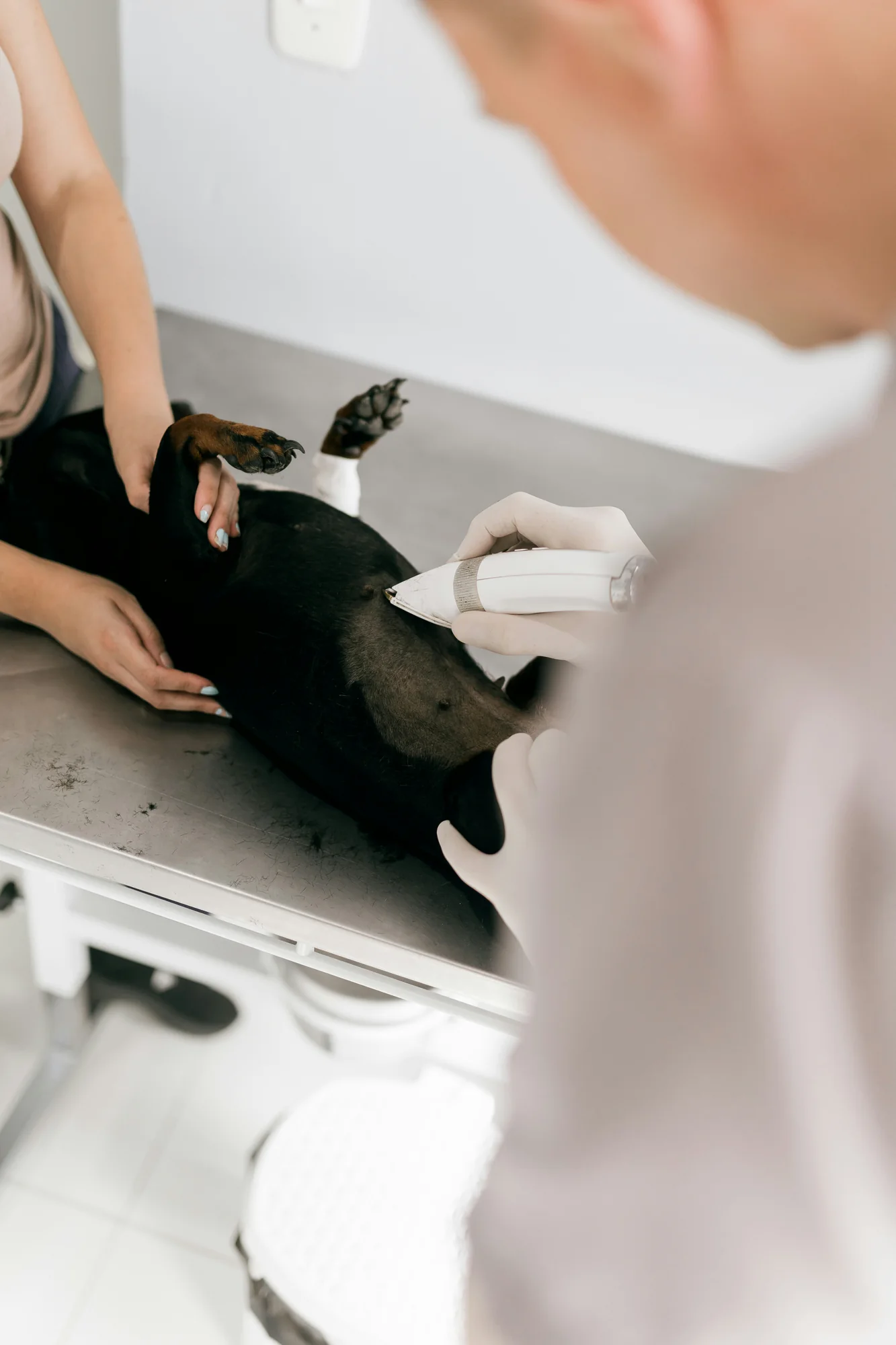
Begin with a practical assessment and the establishment of sample and cell resources, then understand the basic logic and boundaries of a pet cloning project.
Explore Pet Cloning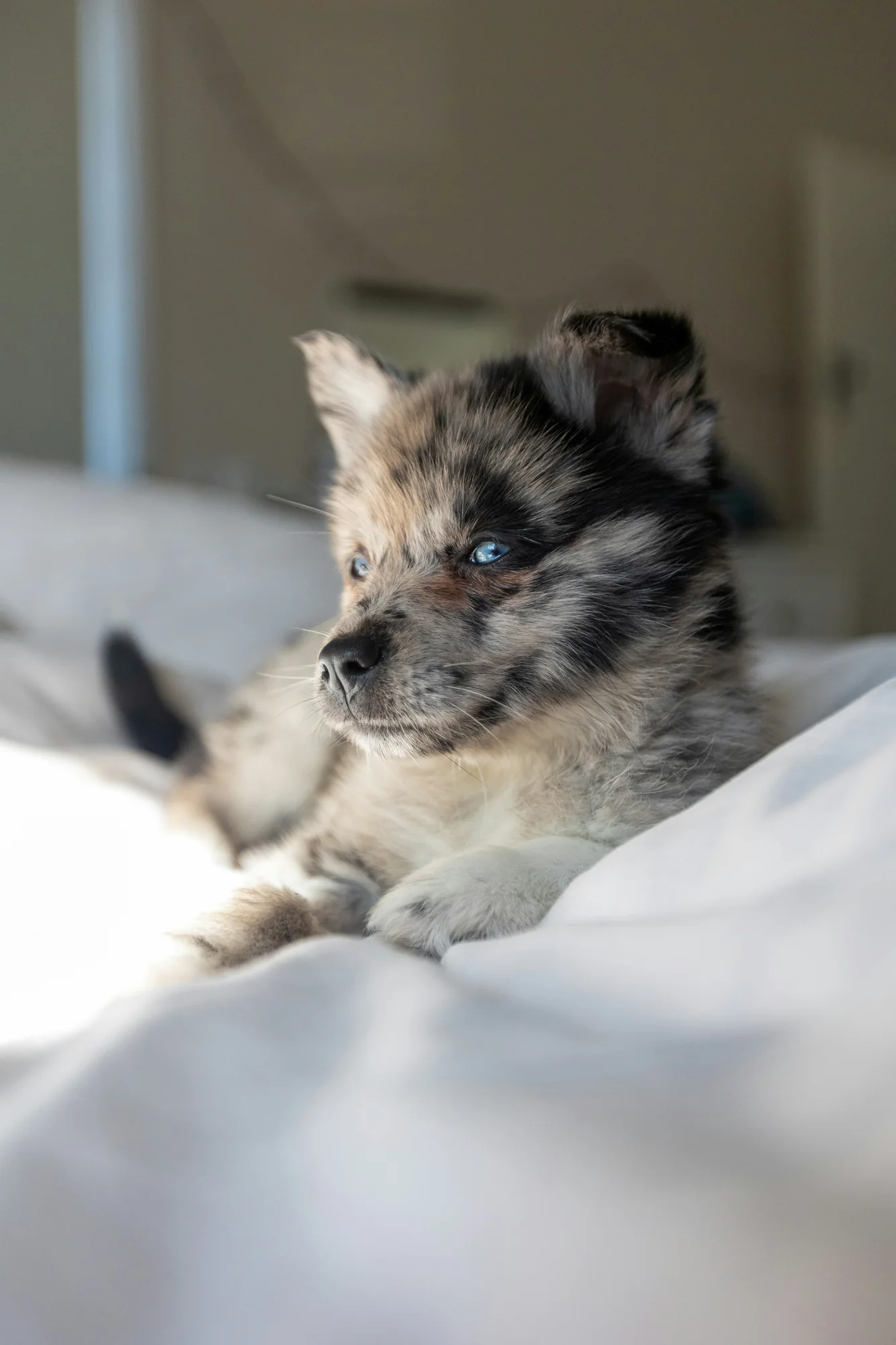
Establish usable somatic cell resources to preserve more possibilities for continuing important nuclear genetic information from a donor dog.
Explore Dog Cloning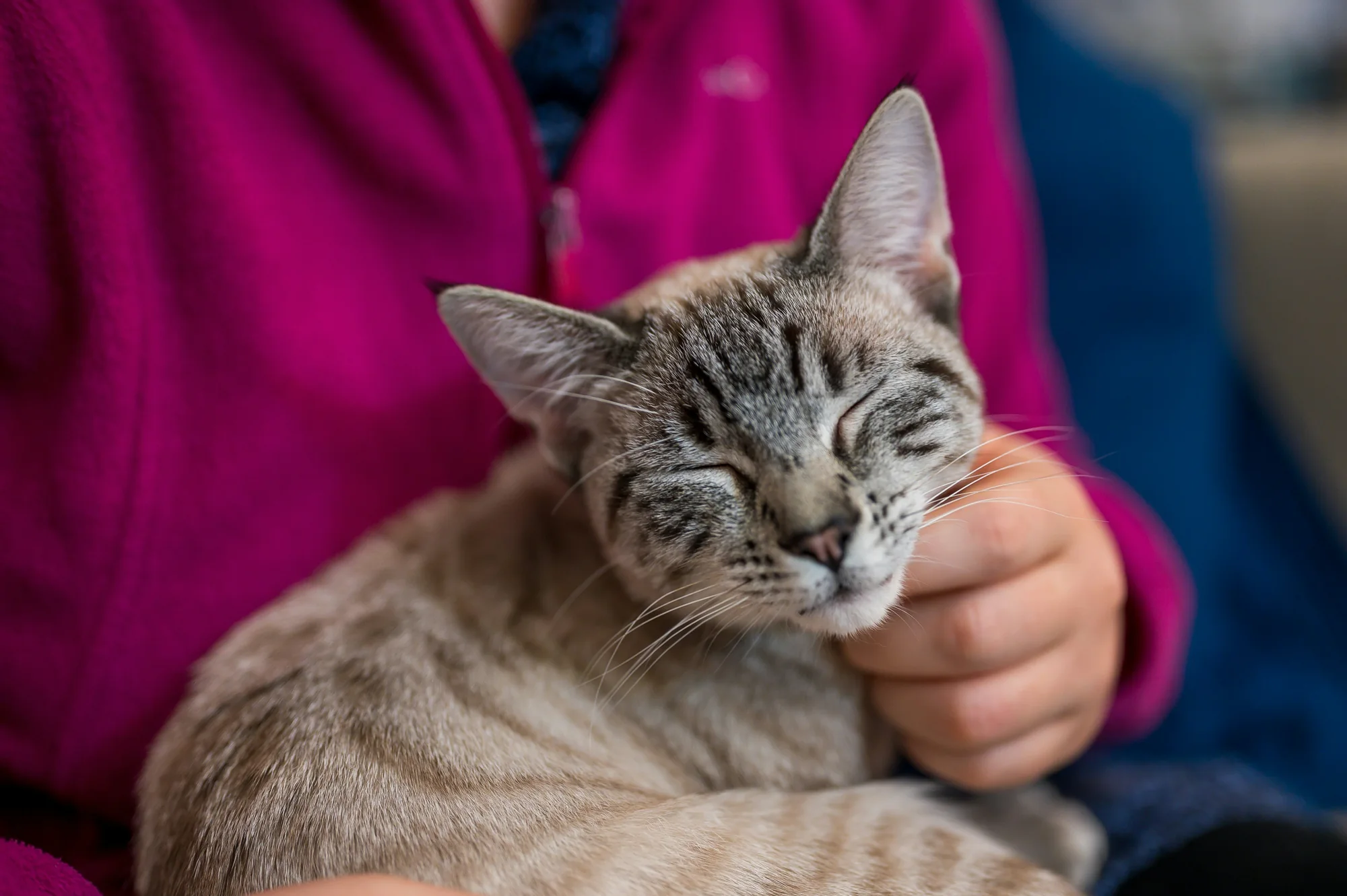
Begin by establishing usable somatic cell resources, then assess subsequent steps according to client goals and actual project conditions.
Explore Cat Cloning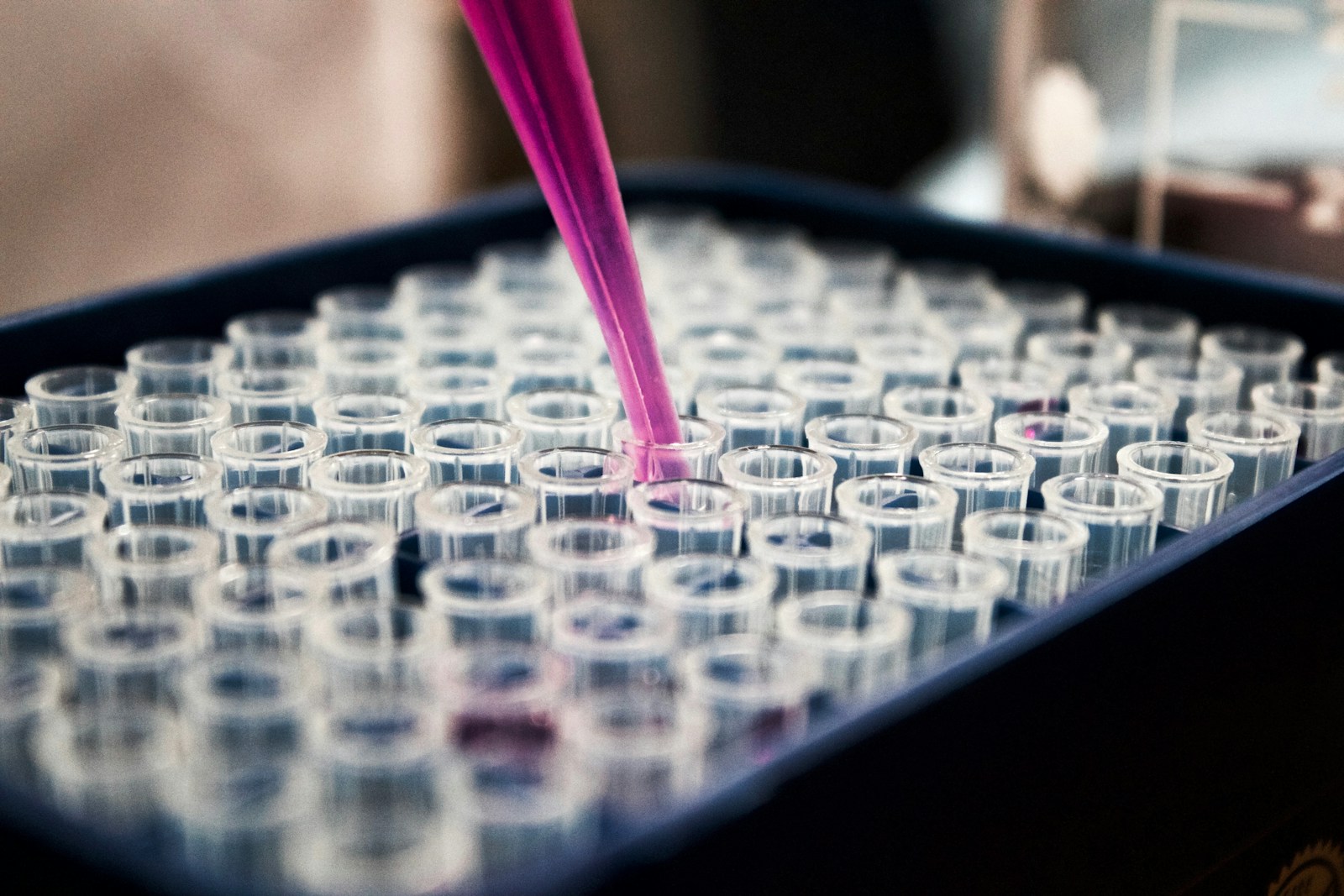
For life-science research needs, project consultation covers model-animal development and gene-edited animals. Species, target genes, technical pathways, and deliverables are assessed case by case.
Discuss a Research Project
Cloning can carry forward a pet’s important nuclear genetic information, but personality, memory, and companionship emerge through independent growth. Every new life still forms experiences of its own.
Every cloned pet is an independent, precious new life. We help carry forward important nuclear genetic information while each animal begins a growth journey of its own.
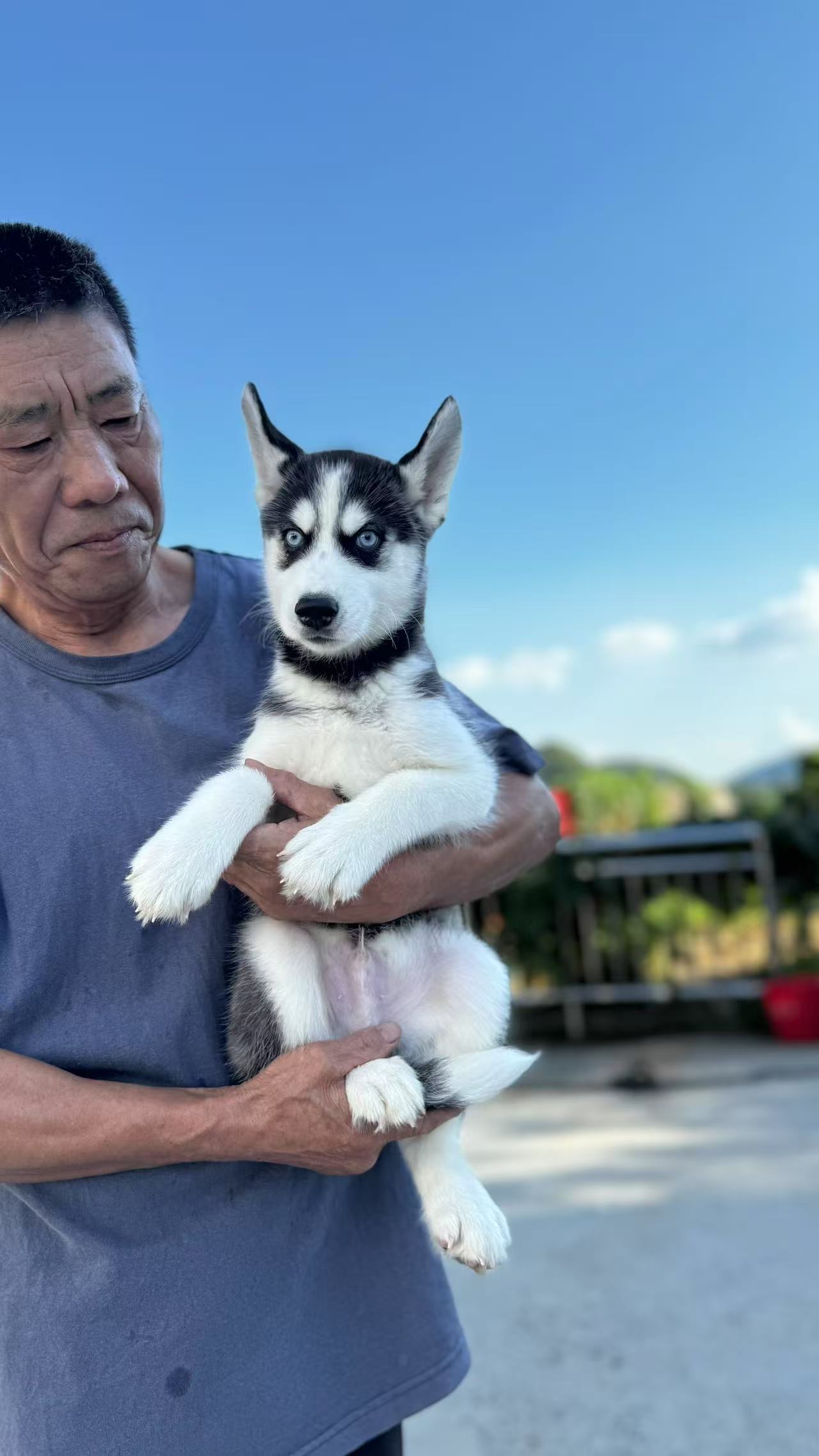
Xiaobei is a Siberian husky puppy born through somatic-cell cloning. Clear blue eyes, distinctive black-and-white markings, and facial patterns are visible in the authorized puppy-stage project photograph.
Cloning carries forward important nuclear genetic information from the donor dog. Xiaobei shares that familiar genetic background while remaining a new life that will form memories, personality, and experiences of its own.
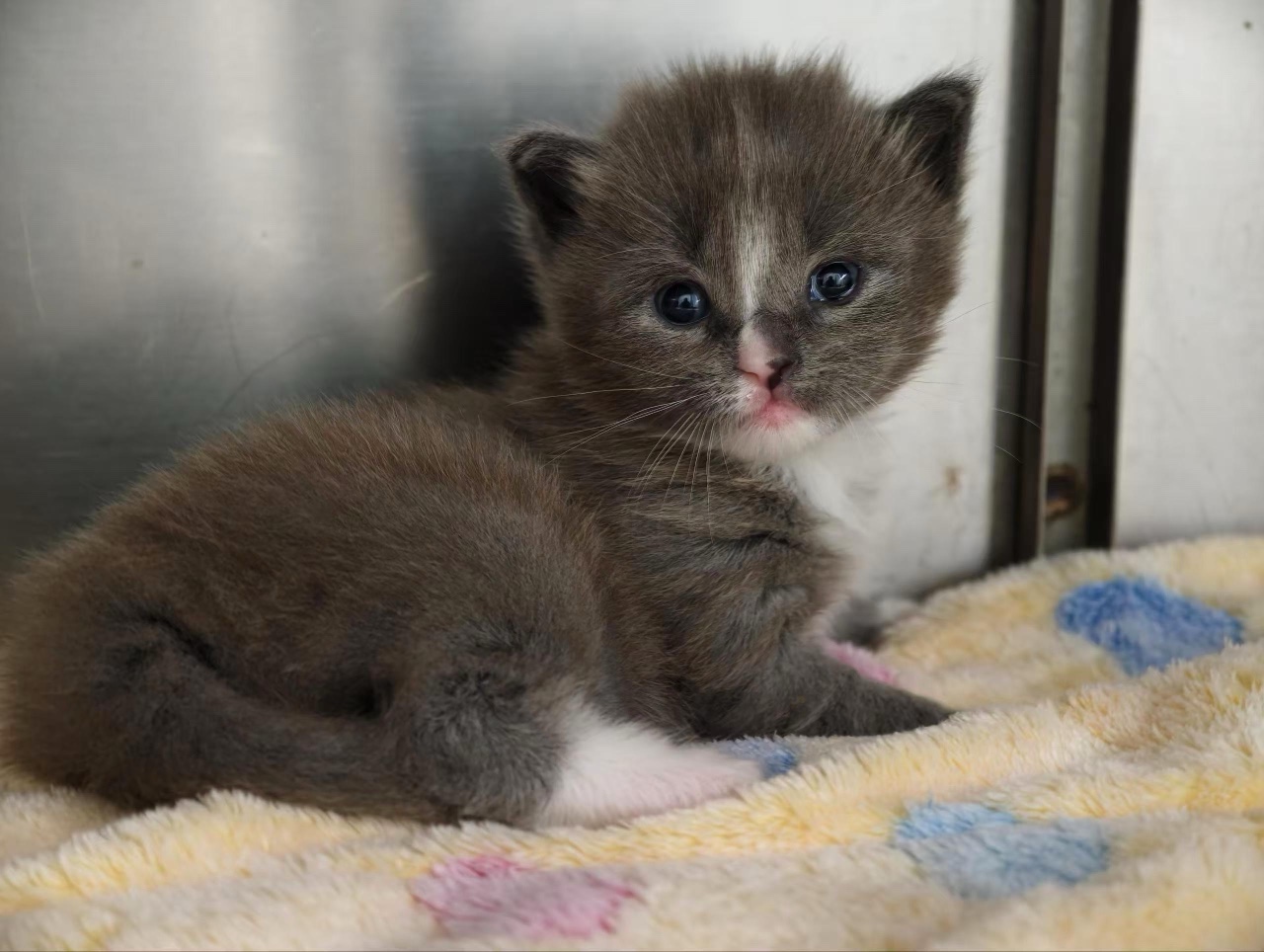
Xiaomo is a kitten born through somatic-cell cloning. The deep grey coat and soft lighter markings along the nose and chest are already clearly visible at this early stage of life.
As Xiaomo adapts to a new environment, the kitten begins forming distinct habits and experiences. Cloning preserves valuable genetic information; it does not transfer the memories of a life already lived.
MZY BIO (also written as MZYBIO) is the international brand operated by Anqing Sijimingfu Pet Co., Ltd. We connect pet cloning, somatic-cell preservation and genetic-resource services with research and production collaboration for clients in China and overseas.
On June 16, 2022, the company and Nanjing Agricultural University signed an agreement to jointly establish the Nanjing Agricultural University Sijimingfu Pet Experimental Research Institute.
A complete cloning project is typically planned around an overall timeline of approximately one year. Actual timing depends on the sample, cell culture, embryo development, gestation, and post-birth health observation, and does not constitute a fixed completion or delivery commitment.
CELL & GENETIC PRESERVATION
Establishing and preserving usable somatic cell resources while a pet is healthy can retain more options for the future. A decision about cloning can be made later according to actual needs, the animal’s circumstances, and project conditions.
The essential question is whether active somatic cell resources can be obtained and established from the sample. Tissue choice, collection, and transport should follow professional guidance for the species and actual circumstances.
After entering the laboratory workflow, the sample is registered, processed, cultured, and observed. Cell growth is then assessed to determine whether a somatic cell resource suitable for continued preservation and use can be established.
Cell resources that meet subsequent-use requirements can enter preservation management, retaining a foundation for future cloning, reproduction research, or other confirmed life-science applications.
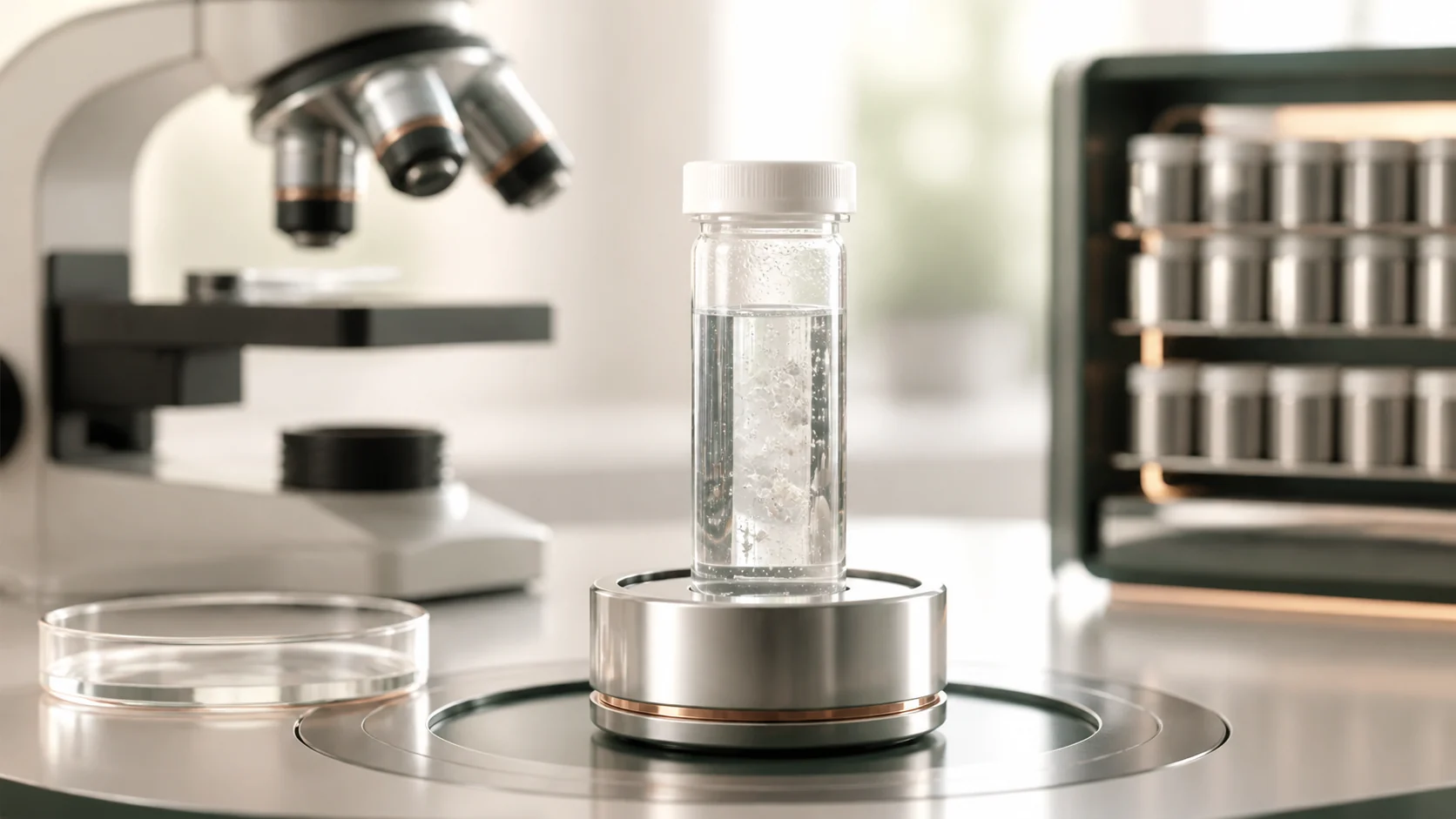
SCNT / TECHNOLOGY PRINCIPLE
Somatic Cell Nuclear Transfer (SCNT) is one of the established technical pathways used in animal cloning. Nuclear genetic information from a donor animal’s somatic cell is used to construct an embryo that may proceed to subsequent development under suitable conditions. This overview explains the basic principle only and is not a technical commitment for a specific project.
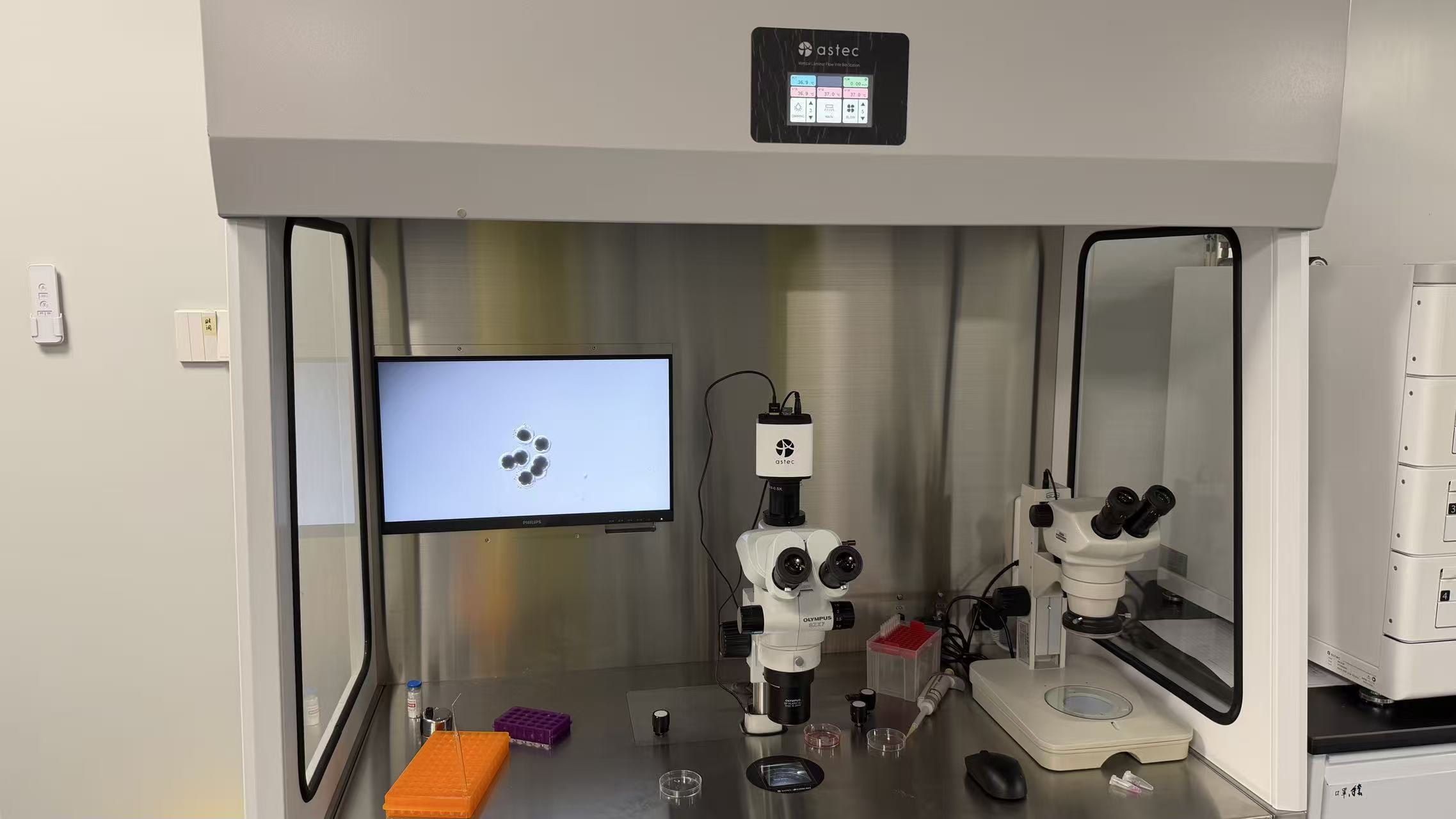
Establish and assess usable somatic cell resources from appropriate donor-animal tissue to prepare donor cells for subsequent work.
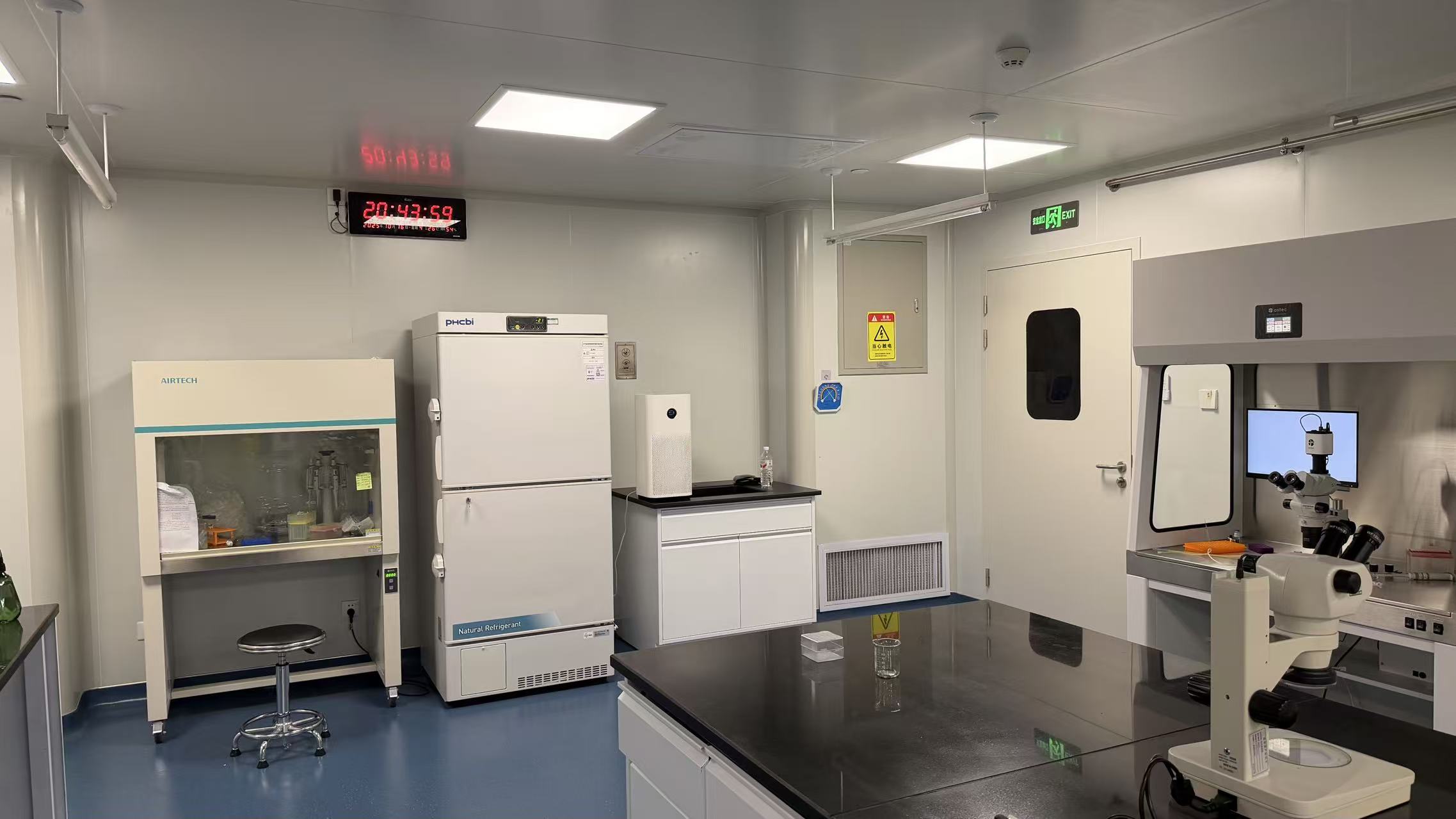
Prepare the oocyte so it can receive the nuclear genetic information provided by the donor cell.
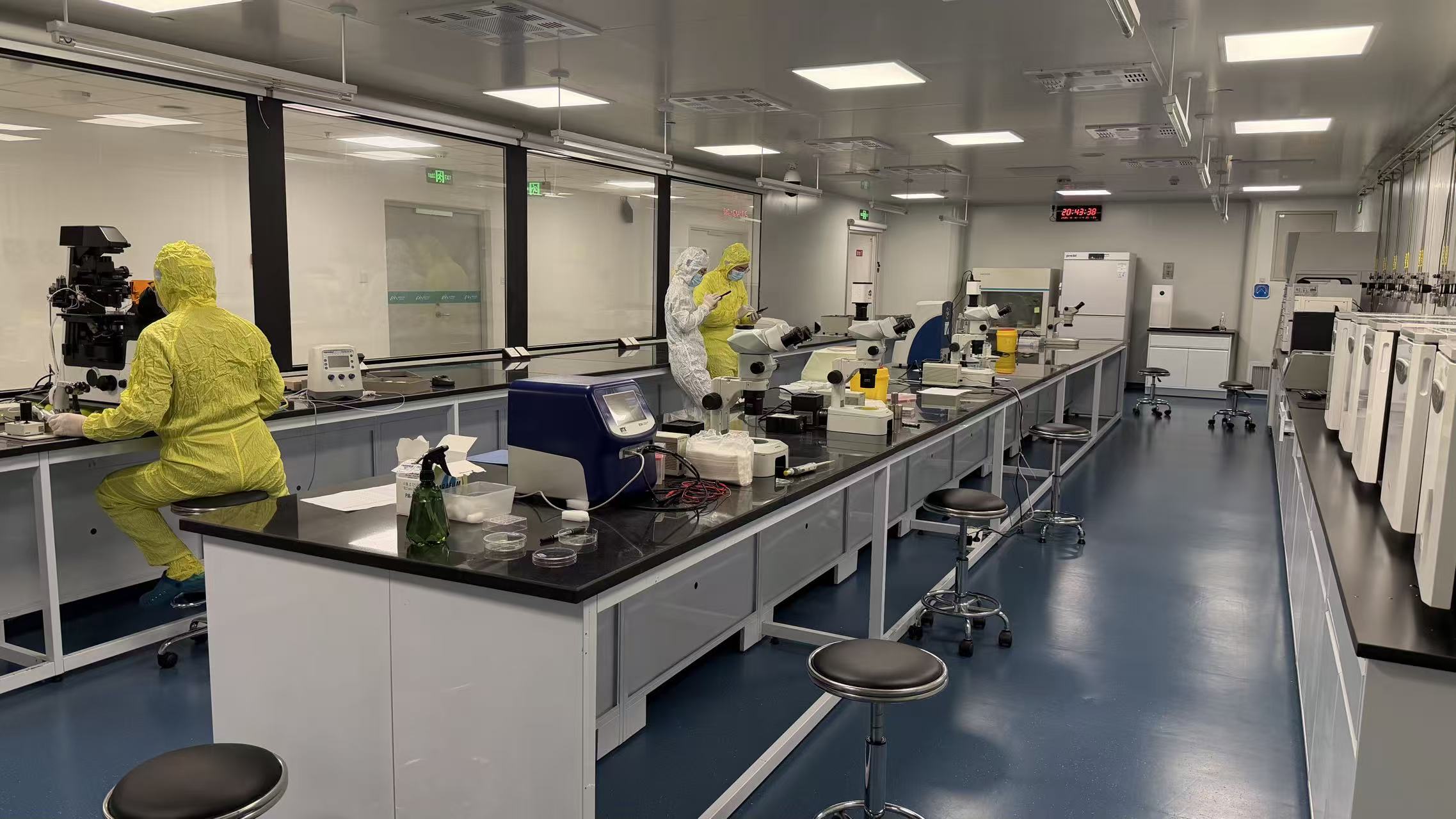
Introduce nuclear genetic information from the donor somatic cell into the prepared oocyte to form a reconstructed cell.
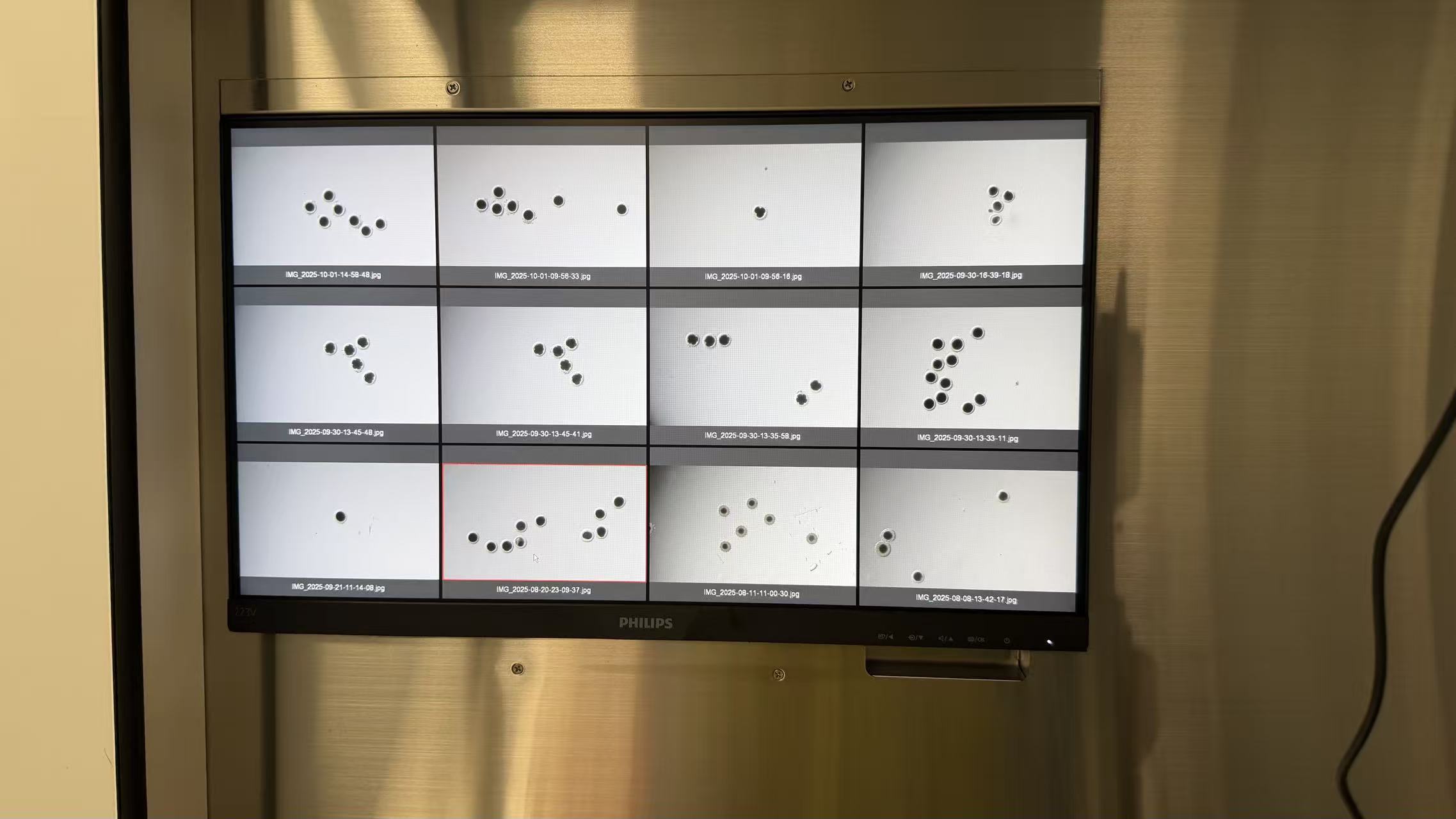
Culture the reconstructed cell after the relevant procedures and continue observing its early development.
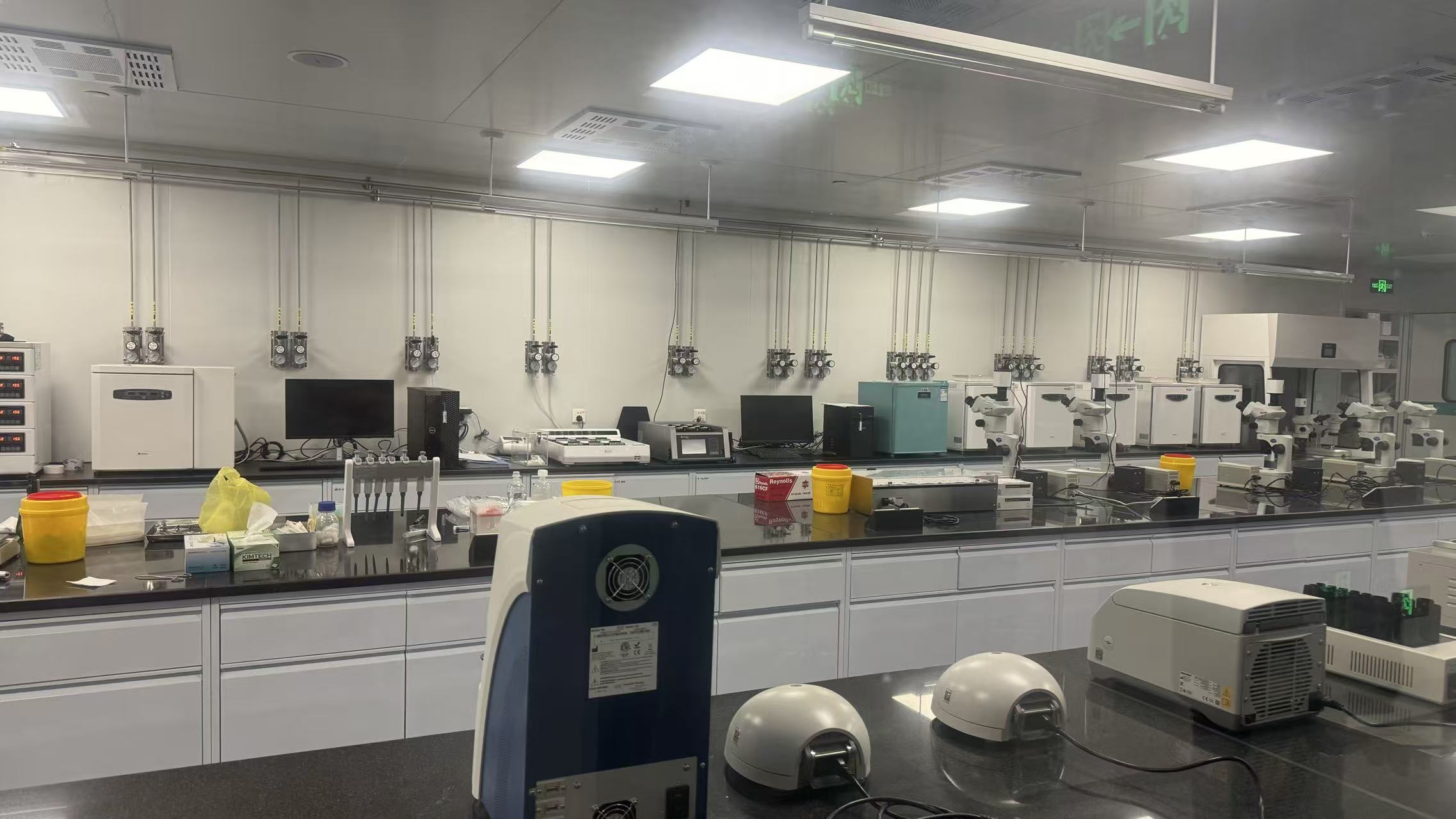
Embryos that meet the conditions for continued work proceed to transfer and subsequent management according to the actual project.
Professional observation continues through gestation management, followed by appropriate health observation and project communication after birth.
Collection, preservation, and shipping arrangements vary with sample type, animal condition, and location. Provide the basic circumstances before taking action so professionals can explain the appropriate next steps.
Request a Sample & Shipping AssessmentSpecies and health conditions vary. Contact MZY BIO before formal collection, and have any professional procedure performed by a veterinarian or other qualified professional with suitable conditions.
After arrival, the sample is registered and initially assessed with attention to its condition, collection circumstances, and transport history, providing a basis for subsequent cell culture.
Tissue processing, primary culture, observation, and expansion help determine whether a usable somatic cell resource can be established. The final assessment depends on actual cell growth and laboratory evaluation.
Somatic cell resources that complete culture and meet relevant conditions can enter preservation management. Clients may later decide whether to consider cloning or another confirmed application.
Explore guidance for early cell preservation, urgent enquiries and international sample coordination, then share the information needed for the next step.
Preserving usable cells while a pet is healthy retains future options without requiring an immediate decision to start a cloning project.
After a recent loss, promptly share the time, location and current preservation conditions so professionals can assess the available path.
For an overseas sample, coordinate collection, packing, transport, documentation and receipt before dispatch.
When a sick pet faces a potential marrow, hematopoietic-cell, or other tissue transplant, a cloned animal with a highly similar nuclear genetic background can enter donor-candidate evaluation, opening a new path for compatibility and individualized-care research.
Build a clear foundation before consultation with information about the technical principle, complete process, common questions, and emergency guidance.
From genetics, appearance, and personality to cell preservation, project timing, and urgent situations, these evidence-based answers clarify reasonable expectations and the questions that still require individual assessment.
Prepared from verified official materials and peer-reviewed research.01 / 06
A cloned dog shares a highly similar nuclear genetic background with the donor dog, so some genetically influenced behavioral tendencies, learning traits, or cognitive characteristics may be similar.
Research involving cloned dogs has found reduced individual variation in certain learning, memory, and exploratory behaviors compared with unrelated control dogs, suggesting that genetics can contribute to behavioral traits.
However, personality is not determined by DNA alone. Early socialization, training, living environment, human interaction, and individual life experiences all influence behavior. Cloning can preserve important genetic background, but it cannot reproduce every day of an animal’s life.
A cloned dog may share some behavioral tendencies with the donor dog, but its personality cannot be guaranteed to be identical.
TIME-SENSITIVE PRESERVATION
Loss is difficult, but you may still be able to preserve options for the future. Tell us the species, time of passing, current condition, location, and any handling already performed. We will assess whether establishing a usable somatic cell resource may still be possible. Until you receive professional guidance, do not collect tissue, apply substances, or attempt complex preservation on your own.
Ask About Cell PreservationProvide the species, time of passing, current condition, location, and anything already done so the team can make an initial assessment.
Do not collect tissue, apply substances, or use an unconfirmed preservation method that could affect tissue and cell condition.
Establishing and preserving somatic cell resources while a pet is healthy can make future choices less rushed. Cell preservation does not require an immediate decision to begin cloning.